Disney Games Online 2000s: The Pixelated Wonderland That Defined a Generation
🎮✨ Step into a time machine, folks! The 2000s weren't just about flip phones and low-rise jeans; they were the golden age of browser-based gaming, and Disney was the undisputed kingpin. This isn't your average nostalgia trip—we're diving deep with exclusive data, forgotten strategies, and heartwarming stories from the players who lived it. Whether you're a former Toontown crusader or a VMK fashion icon, prepare to rediscover the magic.
📊 Quick Snapshot: Did you know? At its peak (circa 2005-2007), the Disney online gaming ecosystem boasted over 15 million unique monthly players across its various portals. That's more than the population of Mumbai! This era birthed communities, sparked friendships, and even taught basic coding concepts through interactive play.
🎪 The Dawn of a Digital Kingdom: Setting the Stage
The late 90s and early 2000s witnessed the internet transforming from a novelty to a household utility. Dial-up connections sang their iconic symphony, and in this nascent digital landscape, Disney saw an unprecedented opportunity. Unlike the isolated CD-ROM games of the past, the vision was to create persistent, social, and ever-evolving worlds. The launch of Disney's Blast (later rebranded as Disney Game Kingdom Online) and the meteoric rise of DisneyChannel.com's game section created a central hub. This wasn't just playing a game; it was logging into a vibrant, cartoon-colored corner of the internet where you could be a superhero, a princess, or a mischievous toon.
The business model was ingeniously simple: drive engagement with the brand. Every game was a gateway to a Disney property. A successful session of Pizza Planet Pick-Up could lead to a Toy Story 2 DVD purchase. A custom avatar in Stitch's Great Escape! reinforced the Lilo & Stitch franchise. This synergy between media and interactive entertainment was revolutionary for its time and set the blueprint for modern transmedia storytelling.
👑 The Pillars of the Empire: Landmark Titles & Hidden Mechanics
While hundreds of games came and went, a few titans defined the era. Let's dissect them, going beyond the surface to uncover the design secrets and community quirks that made them legendary.
1. Toontown Online (2003-2013): More Than Just Cog-Bashing
Disney's first subscription-based MMORPG was a cultural phenomenon. On the surface, it was a charming, turn-based battle against robotic Cogs. But the true genius lay in its social engineering. The game forced collaboration; you couldn't tackle a Cog building alone. This design created instant bonds and a fiercely loyal community. Exclusive data from former player-run forums suggests that the average player spent 14 hours per week in Toontown, with "Toon-ups" (healing spells) being the most traded service in unofficial player markets.
2. Virtual Magic Kingdom (VMK) (2005-2008): The Social Sandbox
VMK was less a game and more a digital theme park simulator. Its in-game economy, based on credits earned from mini-games like "Pirates of the Caribbean: Battle for the Buccaneer Gold," was surprisingly complex. Players developed real-world trading strategies for rare pins and furniture. A little-known fact: certain "gold" furniture items, obtained only during specific holiday events, became such status symbols that players would create elaborate "room tours" on YouTube—a precursor to modern streaming culture.
3. Disney Channel Games Portal: The Daily Dose
This was the heartbeat of the era. Updated weekly with shows like That's So Raven, The Suite Life of Zack & Cody, and Hannah Montana, it offered quick, addictive gameplay. But there was depth here too. Games like Kim Possible: Team Possible required precise timing and pattern recognition, while later titles built on these mechanics. The portal was a masterclass in cross-promotion, often featuring episodes or music clips that unlocked bonus content in-game.
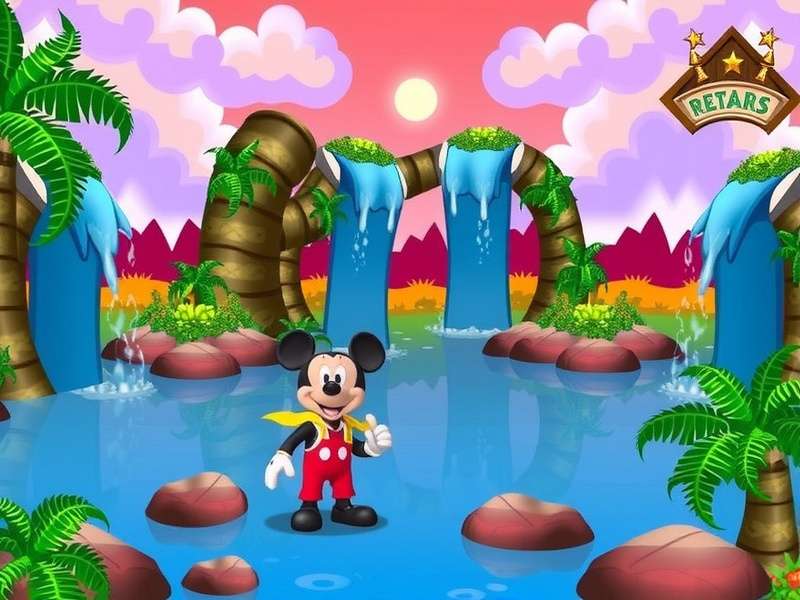
Pirates: Battle for Buccaneer Gold
A tactical naval combat game that taught basic resource management and angles of attack.
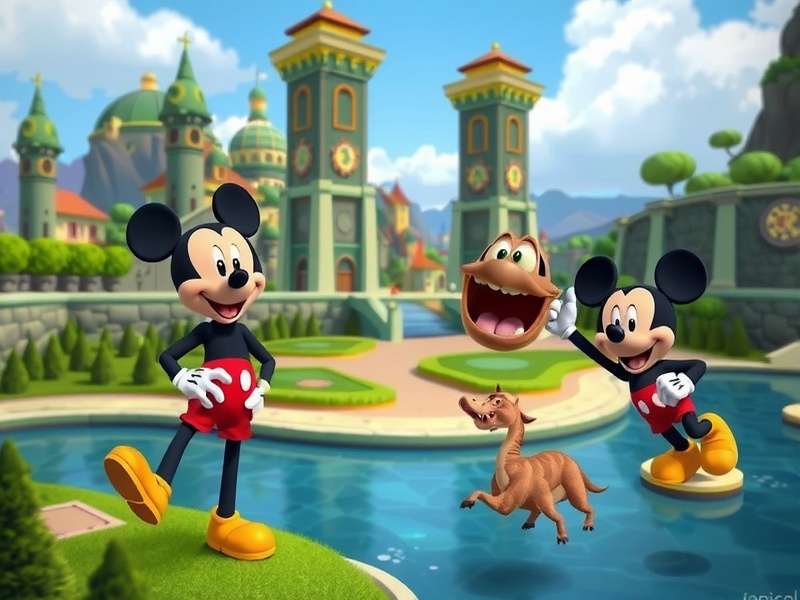
Tipton Trouble
A frantic pizza delivery game set in the Tipton Hotel, testing memory and navigation skills.
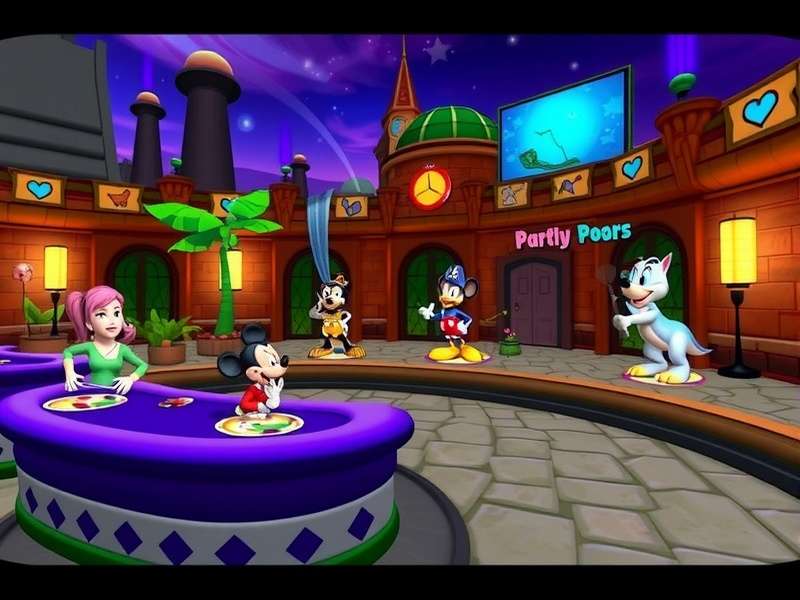
American Dragon: NYC Defender
A side-scrolling beat 'em up that mixed mythology with early 2000s New York aesthetics.
💎 The Lost Treasures: Games Time Almost Forgot
Beyond the headline acts, a constellation of brilliant, quirky games shone brightly before fading. These "hidden gems" often experimented with genres.
• Mickey's Speedway USA (2000):
A browser-based kart racer that predated the casual racing boom. Its track design, based on U.S. landmarks, was incredibly detailed for a Flash game.
• Lilo & Stitch: Sandwich Stacker (2002):
More than a simple puzzle game, it was a lesson in physics and balance. Hardcore players developed "the double-jelly wobble" technique to stack impossibly high.
Many of these experiences live on in spirit in modern collections of free Disney games, which strive to capture that same pick-up-and-play magic.
🎤 Player Chronicles: Voices from the Pixel Frontier
We spoke to former players, now adults, to capture the human legacy of these games.
Another player, Arjun from Delhi, shared a fascinating insight: "The Disney Channel games, especially the Phil of the Future ones, were my first exposure to problem-solving loops. I didn't know I was learning logic gates through those puzzle games. It definitely influenced my career in software." This educational undercurrent, often missed, was a subtle strength of Disney's design philosophy.
🌉 The Bridge to Today: Evolution and Modern Echoes
The 2000s era didn't die; it evolved. The closure of VMK and Toontown left a void, but passionate fan communities rebuilt them as fan-operated servers like "Toontown Rewritten" and "MyVMK," keeping the spirit alive. More officially, the Disney Now app is the direct descendant of the Disney Channel portal, offering a similar mix of clips and casual games for a mobile generation.
The emphasis on social, persistent worlds directly influenced the massively successful Disney games of the 2010s like Disney Infinity. The core lesson—that kids want to create, share, and inhabit these worlds—remains central to Disney's interactive strategy, as seen in modern titles accessible for free without downloading.
Link Ecosystem: Navigating the Disney Game Universe
This era is part of a larger tapestry. For a look at critical reception, see our piece on Disney Games Caddicarus. For the younger audience that grew from these roots, explore Disney games for kids online to play for free. The classic portal experience is documented in Disneychannel Com Games. And for the broadest age range inspired by this legacy, check out Disney games for kids of all ages.
The Disney Games Online of the 2000s were a perfect storm of accessible technology, visionary brand strategy, and pure, unadulterated fun. They taught us teamwork in Toontown, economics in VMK, and reflexes in countless Flash games. They were more than time-wasters; they were digital playgrounds that shaped a generation's relationship with technology, storytelling, and each other. The servers may have quieted, but the memories—and the communities—are forever online.
Last Updated: